In 2026, the global CMOS image sensor (CIS) market is undergoing a structural reshuffle. According to multiple market research firms, the global CIS market reached approximately USD 19.3 billion in 2025 and is projected to climb to USD 21.1 billion in 2026. The more significant shift lies in the competitive landscape: the long-standing duopoly of Sony and Samsung, which together held over 70% market share, is loosening. Chinese CIS makers such as OmniVision, GalaxyCore, and Smartsense are rapidly breaking through in the mid-to-high-end segment.
What does this mean for camera module procurement teams and hardware engineers? Simply put: sensor selection has gone from "either-or" to "many-from-many." In the past, designing a camera module meant choosing between Sony and Samsung at the sensor end. Today, domestic CIS performance is rapidly catching up, cost advantages are clear, and supply chain security imperatives are pushing everyone toward multi-sourcing strategies. But multi-sourcing isn't as simple as swapping a part number — it conceals a chain of optical, driver, ISP, and consistency pitfalls.
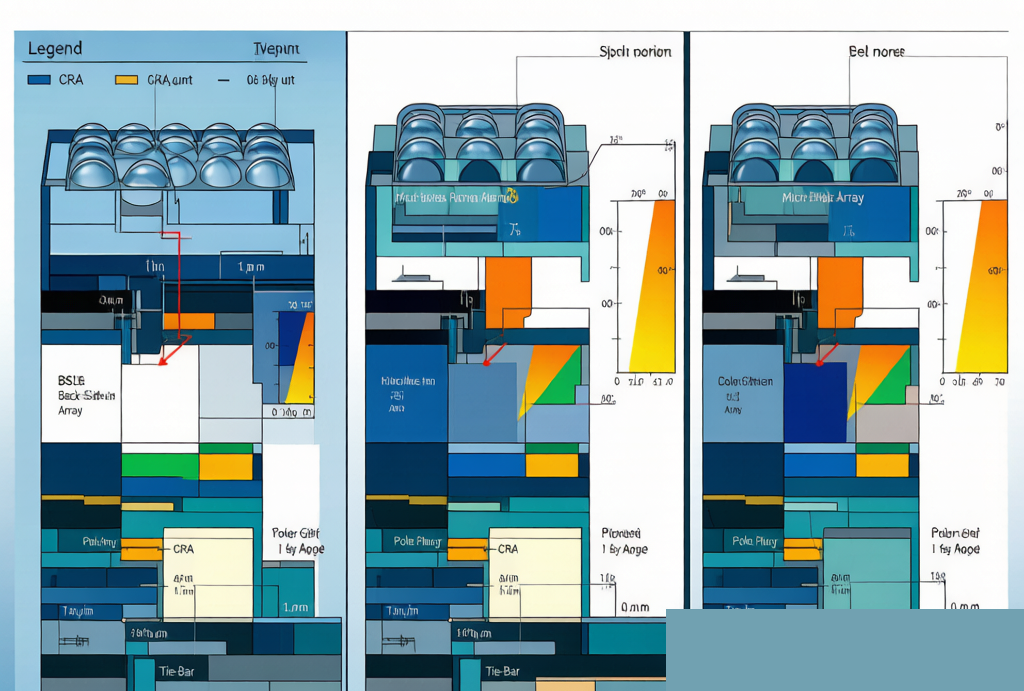
Where the trap is: Many engineers assume that two sensors with identical format and resolution are interchangeable with a driver change. In reality, different CIS manufacturers differ in pixel pitch, microlens layout, color filter array process, and effective fill factor. Sony's BSI process and OmniVision's PureCel technology respond differently to light ray angles; Smartsense's pixel sensitivity curve in low-light conditions differs from GalaxyCore's design.
At the module level, this means: the same lens design, with a different sensor, may see its MTF curve shift significantly. Different sensors have different IR filter spectral cutoff characteristics and microlens chief ray angle (CRA) matching requirements.
How to break it:
Where the trap is: CIS raw data requires ISP processing before producing usable images. Different sensors have different color response curves, dynamic range characteristics, and dark current levels. The same ISP parameters applied to different sensors will produce noticeably different color, noise, and dynamic range performance.
A more subtle trap: some domestic CIS datasheets show figures close to Sony's, but real-world color science may differ. This isn't about the sensor being "bad"; it's about ISP tuning not keeping up.
How to break it:
Where the trap is:
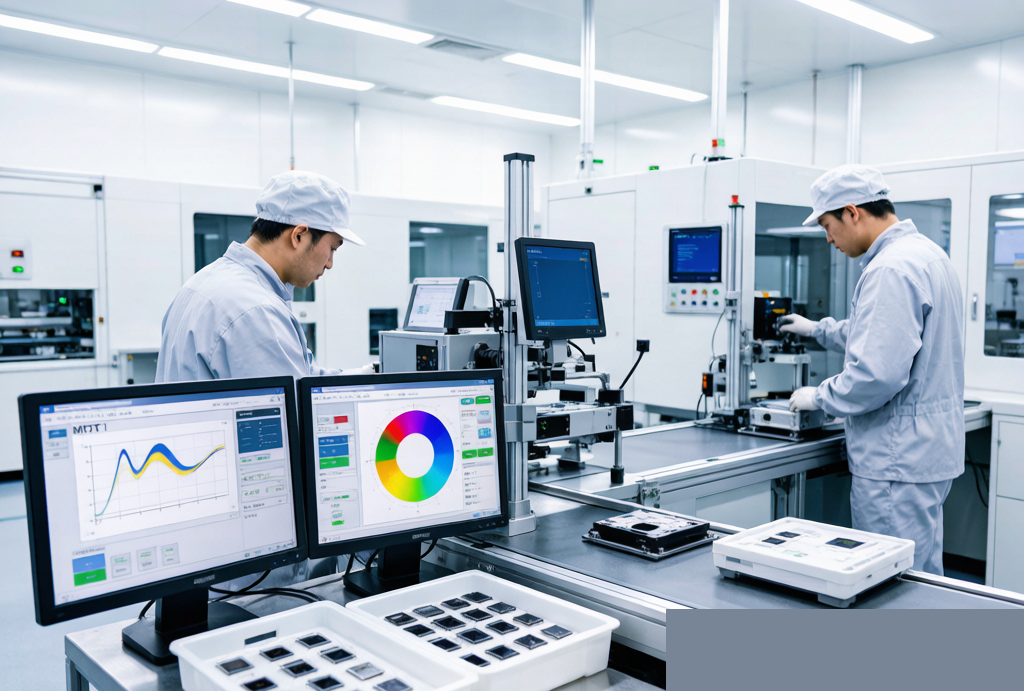
The biggest risk of multi-sourcing isn't in design — it's in mass production. When the same production line may assemble modules with sensors from different CIS suppliers, consistency issues concentrate:
How to break it:
Where the trap is: Many teams treat new CIS supplier onboarding as "test a few samples and go." In reality, from sample to PPAP, the process spans four gates that can each surface issues requiring corrective action, typically taking 3-6 months.
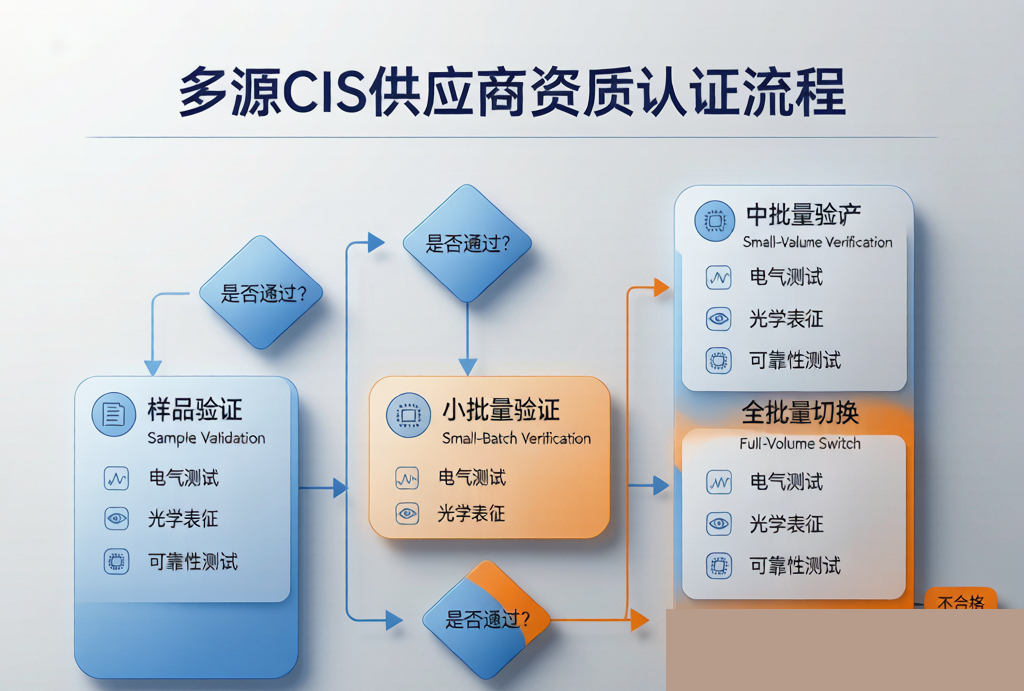
How to break it:
CIS multi-sourcing is an irreversible trend — the rise of domestic sensors gives procurement more options and supply chains more resilience. But multi-sourcing demands full-chain adaptation from design through production. Choosing the right module manufacturing partner is what transforms "more options" into "less risk."
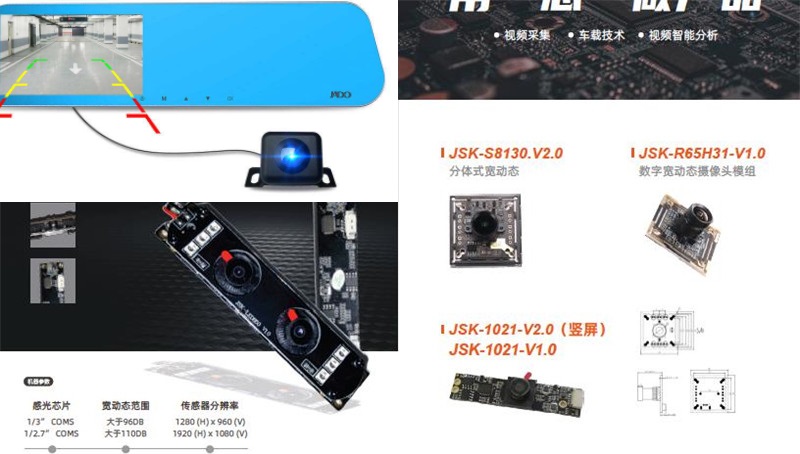
Jinshikang Technology specializes in camera module manufacturing, with multi-CIS platform cross-validation, multi-source production control, and full-chain ISP tuning capabilities — helping overseas OEM/ODM customers navigate multi-sensor selection while ensuring mass production consistency.


AR0230---1/2.7 HD 2M Wide Dynamic
Fatigue Monitoring Camera Module
Motion DV Camera-720P-120 Degree Wide Angle Camera Module
Night Vision Monitoring Camera Module
Monitoring - Doorbell - Law Enforcement Instrument Camera Module
Ten Thousand Trillion Industrial Camera Camera Module
 13423810014
 0755-29433686
 daming@cameras-module.com
 2/F, Building H, Zhiyihan Industrial Park, Yuanling Village, Shiyan Town, Baoan District, Shenzhen 518108



We use cookies to enhance your browsing experience. Continuing to browse indicates that you agree to our cookie policy.