On October 22, 2026, Sony Semiconductor Solutions announced the IMX742, a CMOS image sensor designed for single-use medical endoscopes. The chip measures just 1mm x 1mm (1.02mm diagonal, Type 1/17.7), delivers approximately 0.51 megapixels (720x720), supports 5-meter digital transmission, and offers 60fps high frame rate. Sample shipments begin in November 2026. For medical device R&D and procurement teams, the single-use endoscope market is shifting from feasibility to volume production, and what determines success is not the sensor spec but module-level capability.
Core conclusion: The value of IMX742 lies in the combination of 1mm chip, 5m digital link, and 60fps. But during module integration, WCSP placement yield, 6-pin PCB routing, long-cable signal integrity, and single-use cost control can each derail a design. Selection must treat sensor, package, cable, and host as one system.
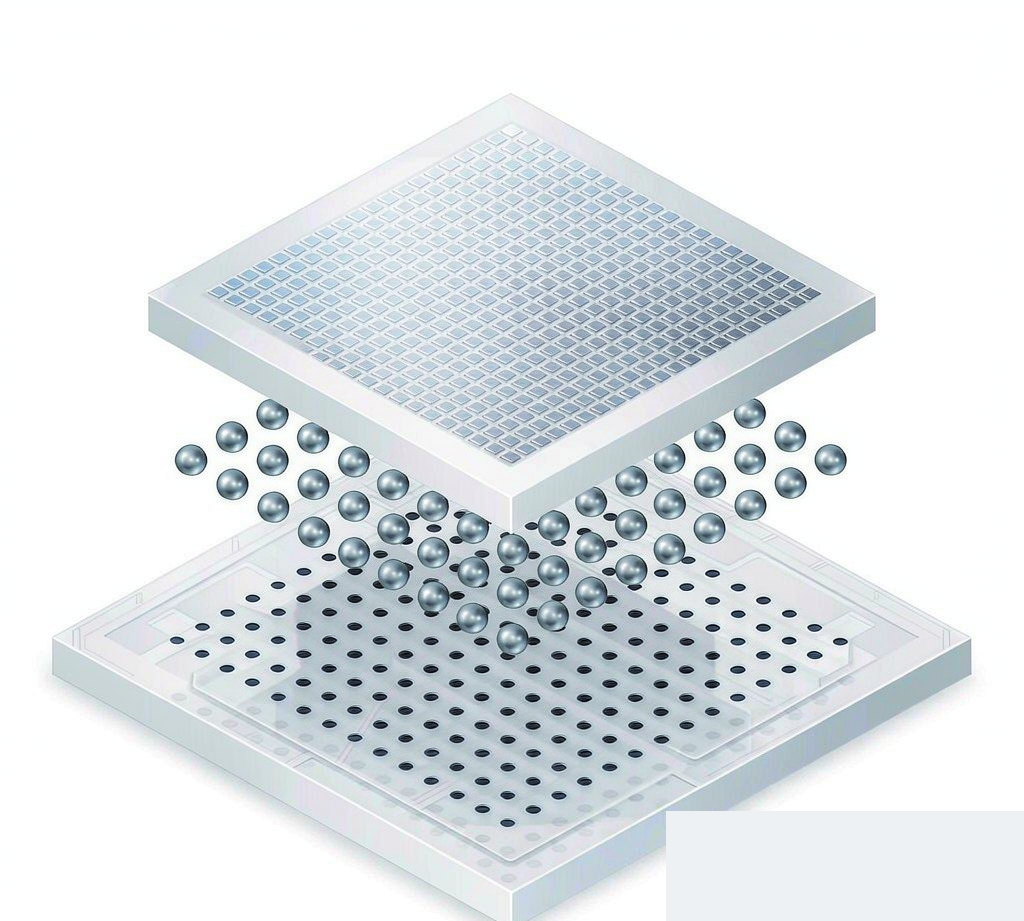
Why it is a pitfall: IMX742 uses a 6-pin WCSP (wafer-level chip-scale package) with a 1mm body and solder ball pitch in the 0.2-0.3mm range, approaching the process limit of standard SMT equipment.
Where the pitfall is: Stencil aperture mismatch causes bridging or voids; placement accuracy must be within plus or minus 25 micrometers; reflow without nitrogen reduces yield; module makers without 01005/WCSP volume experience may see first-pass yields below 70%.
How to fix it: Require SPC data with CPK greater than or equal to 1.33 (medical-grade 1.67). Confirm 3D SPI, 3D AOI, and X-Ray inspection. Require void rate below 10% via X-Ray. Run at least 500-piece pilot lots and track the yield ramp curve.
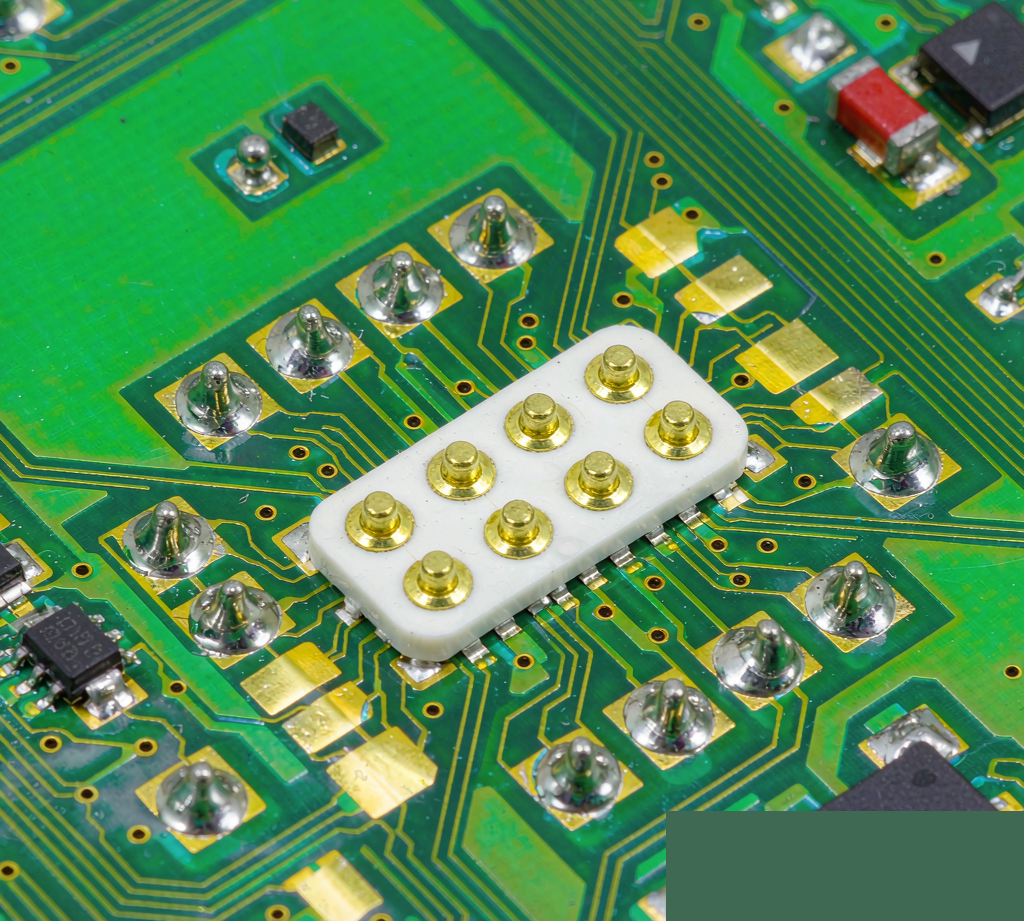
Why it is a pitfall: IMX742 compresses control and video signals onto one cable via Sony's proprietary bidirectional link, reducing pins to six, shifting complexity to PCB design and host decoding.
Where the pitfall is: Three power rails (2.7V/1.2V/-1.2V) demand strict sequencing; the proprietary protocol requires a matching deserializer or FPGA IP; 5m AWG44 cable breaks impedance continuity at connectors.
How to fix it: Require full pinout, power sequence, and reference schematic. Confirm FPGA reference design or validated host board. Use only validated cable-connector assemblies with eye-diagram reports. Test bit error rate (below 1e-9 recommended) and post-vibration link stability on a real 5m cable.
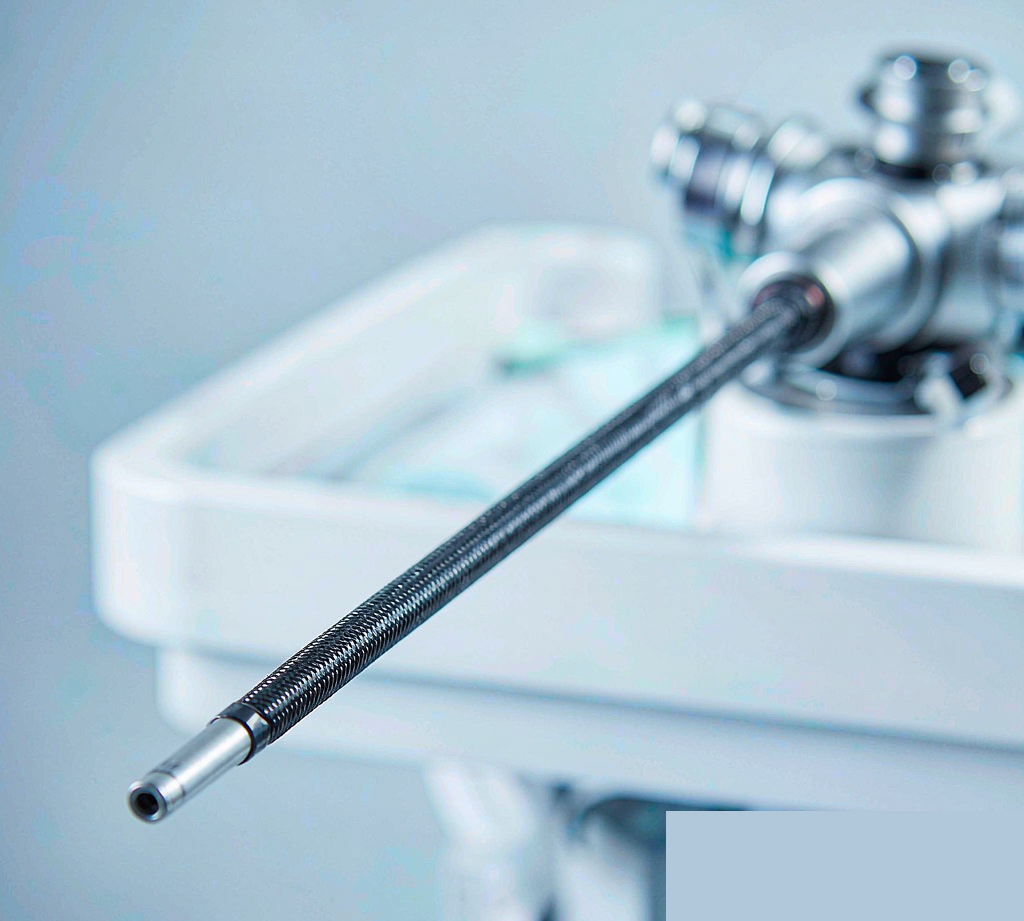
Why it is a pitfall: Sony's 5-meter distance is confirmed in a Sony evaluation environment with AWG44 cable, a lab ideal, not a clinical reality.
Where the pitfall is: Adapters, cable ties, and shielding sleeves introduce impedance discontinuities; electrosurgical units and monitors create strong EMI; cost-driven cable specs may differ from Sony's test cable; 60fps leaves narrower jitter margin than 30fps.
How to fix it: Treat 5m as an upper-bound reference. Require BER curves at 2m/3m/5m. Simulate real routing, adapters, and EMI exposure for 30+ minutes. If margin is insufficient, move the deserializer into an external repeater box.
Why it is a pitfall: Single-use endoscopes must be priced far below reusable models, meaning the camera module must be small, stable, and inexpensive.
Where the pitfall is: Medical-grade WCSP placement and 100% X-Ray can consume over 30% of BOM; single-use products cannot be reworked; IMX742 volume supply may not stabilize until mid-2027; medical traceability documentation is underestimated.
How to fix it: Lock target BOM cost early. Choose module makers with ISO 13485 and single-use volume experience. Secure buffer-stock agreements for the sensor. Require laser-marked serialization with 5-year traceability.
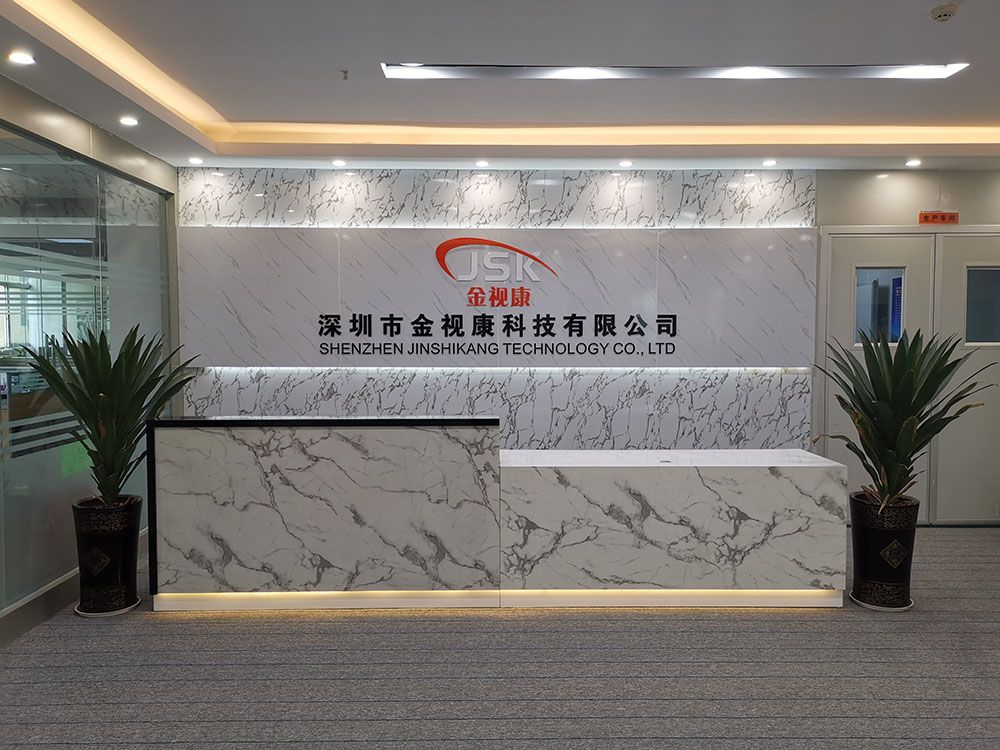
JSK Technology specializes in OEM/ODM camera module manufacturing, with WCSP placement, 01005 component volume production, medical-grade X-Ray inspection, and full traceability systems. We support prototyping and volume production of miniature endoscope modules based on 1mm-class sensors. Medical R&D teams are welcome to discuss IMX742 and similar miniature sensor module solutions.
On a mature line with 3D SPI, 3D AOI, X-Ray, and nitrogen reflow, WCSP first-pass yield can exceed 90%, stabilizing to 95-98% in volume. Require CPK greater than or equal to 1.67 for medical-grade and retain SPC data per lot.
Sony's 5m figure is from an evaluation environment. Re-test BER in your product, targeting below 1e-9. If margin is tight, move the deserializer to an external repeater box.
Match the process route to the product position: SPC plus sampled X-Ray instead of 100% inspection where justified. Choose module makers with ISO 13485 and single-use experience. Secure buffer stock for the sensor.
Sample shipments begin November 2026; volume supply is expected around mid-2027. Starting module validation now aligns with the sensor ramp. Lock in a module partner during the sample phase.
No. Medical modules require traceability, medical-grade X-Ray, and ISO 13485 systems even when single-use. Prioritize medical certifications, single-use case studies, and traceability systems over consumer shipment volume.


AR0230---1/2.7 HD 2M Wide Dynamic
Fatigue Monitoring Camera Module
Motion DV Camera-720P-120 Degree Wide Angle Camera Module
Night Vision Monitoring Camera Module
Monitoring - Doorbell - Law Enforcement Instrument Camera Module
Ten Thousand Trillion Industrial Camera Camera Module
 13423810014
 0755-29433686
 daming@cameras-module.com
 2/F, Building H, Zhiyihan Industrial Park, Yuanling Village, Shiyan Town, Baoan District, Shenzhen 518108



We use cookies to enhance your browsing experience. Continuing to browse indicates that you agree to our cookie policy.